Thursday, April 14, 2016

Latest Video of Ajmer Sharif - Khwaja Gharib Nawaj Ajmer Sharif Urs

Latest Video of Ajmer Sharif - Khwaja Gharib Nawaj Ajmer Sharif Urs

Watch the Latest Videos of Ajmer Sharif,  Khwaja Garib Nawaz Ajmer Sharif Annual Urs Festival celebration and Chhatti Sharif of Khwaja Garib Nawaz Radi Allah Anhu

Urs-E-Khwaja-E-Hind, Khwaja Garib Nawaj Mubarak. Urs 2017 Khwaja Gharib Nawaj Ajmer Sharif Latest Video 


Flag Ceremony before Urs Mubarak of Sayyedna Khwaja Moinuddin Chisti RA. from- Dargah Khwaja Ghareeb Nawaz - Ajmer Shareef


Khwaja Gharib Nawaj Ajmer Sharif  805 Urs Mubarak, Urs Festival 2017

Ajmer Sharief Urs of Darbar Khwaja Garib Nawaz (R.A) Urs Chatti Sharif Date 3 or 4 / April / 2017 Urs Festival Ajmer Sharief Dargah in Rajasthan India  

Every Month Urs Chhati Sharif Festival Is Celebrated Depending Upon Sighting of The Moon

Darbar Khwaja Garib Nawaz Urs date FLAG CEREMONY  >  24 / March / 2017

Khawaja Garib Nawaz Darbar Urs Festival live Begins  >  29 / March / 2017

Khwaja Garib Nawaz Dargah Urs JANNATI DARWAZA OPENS  >  29 / March / 2017

Dargah Khawaja Ghareeb Nawaz Urs  NAMAZ-E-ZUMMA  >   31 / March/ 2017

Khawaja Garib Nawaz Shrine Urs CHATTI SHARIF  >  3 or 4 / April / 2017

Every Month Urs Chhati Sharif Festival Is Celebrated Depending Upon Sighting of The Moon

Ajmeri Urs Annual Fathea Jannati darwaza will be closed  >   4 or 3 / April / 2017

Shrine of Khwaja Garib Nawaz Urs BARA QUL DAY  >   6 or 7 / April / 2017

ajmer sharif, ajmer sharif dargah, hotel in ajmer, khwaja garib nawaz, ajmer dargah photo, dargah sharif ajmer, ajmer sharif video, ajmer dargah sharif, khwaja gharib nawaz, ajmer sharif dargah video, ajmer dargah live
Friday, April 8, 2016

How to Prepare for Ramadan in Pictures

How to Prepare for Ramadan in Pictures

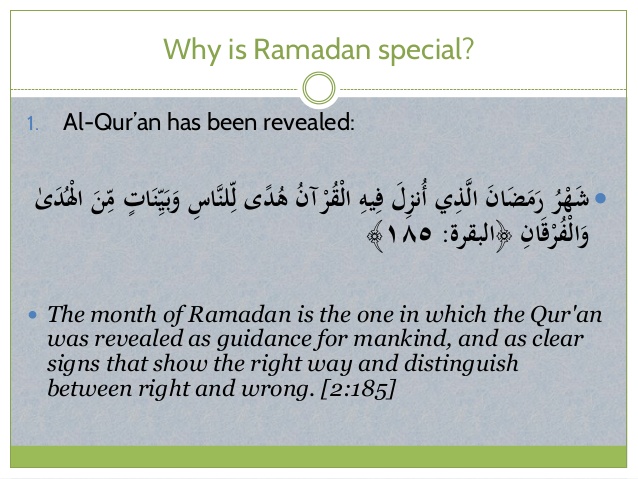
Why is Ramadan Special?
#Ramadan is coming very near and the countdown has begun. So lets prepare for Ramadan and prepare the common checklist. Have you made your checklist for Ramadan. All will love to enter the holy month of Ramadan with positive energy and vibes and wish for permanent positive impact on his or her life thereafter.

So check out the simple steps for preparing for Ramadan
Why is Ramadan Special?


What is Taqwa in Islam?

What is Taqwa in Islam?

Taqwa through  Fastingin Islam
Taqwa through  Fastingin Islam

Virtues of fasting
Virtues of fasting

Virtues of fasting
Virtues of fasting


Ramadan Checklist - Don'ts

Ramadan Checklist - Don'ts

Ramadan Checklist - Do's

Ramadan Checklist - Do's
Step 1 – Create a Ramadan Count Down

Counting down for Ramadan (whether it is done mentally or by keeping physical signs around the home or office) will help create hype and buzz in your mind and amongst the people around you. When you and others are counting down to the same event, it becomes part of regular conversation and excitement spreads.

Step 2 – Seek knowledge about Ramadan

This will help you ensure you will do things correctly and perfectly for Ramadan, it will create a hype as there are many motivational aspects and events in the month to look forward to and finally it is a reward reaper.  The more you know about Ramadan the more you can apply, hence multiplying your rewards.

Step 3 – Make a Ramadan plan

Be it reading the entire Quran, ensuring you pray taraweeh every night or inviting families over for iftaar; make a list of things you would like to achieve in the month and then how you plan on achieving these goals. It is important that goals are realistic and it is better that your life doesn’t need to entirely take a different road in this month (i.e. take the month off work or change work hours etc.) so that you may continue to do these deeds after Ramadan. Knowing what you want to achieve in the month will help you stay focused. Ensure you plan your day every night before you sleep when Ramadan starts (try to continue this even after Ramadan).

Step 4 – Know your life

Be aware if Ramadan affects anything that is happening in the month or shortly after. Do you have exams during Ramadan? Or is there a major family wedding after Ramadan by a short time? Moving house? If so, plan for these events from now. Study now so that you are prepared for the exams before the month starts. Be packed and ready to go before Ramadan or plan that you do it after so that it doesn’t take time away from your worship. The last thing you want to do is spend Ramadan at the shopping centres. Buy any Eid presents and prepare for any wedding before the month starts.

Step 5 – Prepare spiritually

We all know that Ramadan is about Fasting, Praying, Reading Quran and giving in charity. Start these worships early; don’t expect to just click into it as soon as the first day of Ramadan starts. Start doing extra prayers from now, start revising and regularly reading Quran now, get used to being generous and follow the Sunnah of the Prophet Muhammad ṣallallāhu 'alayhi wa sallam (peace and blessings of Allāh be upon him) and fast during Sha’baan.

Step 6 – Prepare your mind

Fasting is to refrain from more than just what we consume in our mouth. Start working on your patience; be extra vigilant with your conversations: ensure you are not backbiting, slandering or talking about useless things.

Step 7 – Say ‘good riddance’ to bad habits

Know what bad habits you have and stop them from now, don’t wait until Ramadan begins. If you sleep late, start sleeping early, if you are a Facebook junky start cutting down, have a coffee craze, slow it down etc. It might sound much easier said then done, but once you’ve committed yourself, purified your intentions – make sincere dua for guidance.  Insh’Allah, these bad habits will be easier done with than you ever expected.

Step 8 – Plan your life around your worship

For instance; instead of working through your prayer or setting up meeting etc., at prayer times, plan that you have a break at prayer time. Don’t take your phone with you to the place you pray and forget the world as you stand between the hands of the almighty Allah

Article: productivemuslim.com/
Images: Yousuf Sultan - linkedin


Ramadan Time Table 2016 for Sehri and Iftari

Ramadan Time Table 2016 for Sehri and Iftari

Ramadan 2016 / 1437 Prayer  Mumbai Timetable

Ramadan in 2016 will start on Monday, the 6th of June and will continue for 30 days until Tuesday, the 5th of July. Get Ramdan sehri and iftari timings here. For accurate timing please consult your local masjid . All  cities Sehri & Iftar Ramazan Timings, Ramzan Timings, Roza Ramadaan Schedule, Ramadan calendar


DayRamadanDateFajrSunriseDhuhr  AsrMaghribIsha
  Mon16/64:386:0012:38  3:597:158:38
  Tue27/64:386:0012:38  3:597:158:38
  Wed38/64:386:0012:38  3:597:158:38
  Thu49/64:386:0012:39  4:007:168:39
  Fri510/64:386:0012:39  4:007:168:39
  Sat611/64:386:0012:39  4:017:178:40
  Sun712/64:386:0012:39  4:017:178:40
  Mon813/64:386:0012:39  4:017:178:40
  Tue914/64:386:0112:40  4:027:188:41
  Wed1015/64:396:0112:40  4:027:188:41
  Thu1116/64:396:0112:40  4:027:188:41
  Fri1217/64:396:0112:40  4:027:188:41
  Sat1318/64:396:0112:40  4:037:198:42
  Sun1419/64:396:0112:41  4:037:198:42
  Mon1520/64:396:0212:41  4:037:198:42
  Tue1621/64:406:0212:41  4:037:198:42
  Wed1722/64:406:0212:41  4:037:198:42
  Thu1823/64:406:0212:41  4:047:198:43
  Fri1924/64:406:0312:42  4:047:208:43
  Sat2025/64:416:0312:42  4:047:208:43
  Sun2126/64:416:0312:42  4:047:208:43
  Mon2227/64:416:0312:42  4:047:208:43
  Tue2328/64:426:0412:43  4:047:208:43
  Wed2429/64:426:0412:43  4:047:218:43
  Thu2530/64:426:0412:43  4:057:218:43
  Fri261/74:436:0412:43  4:057:218:43
  Sat272/74:436:0512:43  4:057:218:43
  Sun283/74:446:0512:43  4:057:218:43
  Mon294/74:446:0512:44  4:047:218:43
  Tue305/74:446:0612:44  4:047:218:43

Watch and Listen Beautiful Online Naats Sharif

Watch and Listen Beautiful Online Naats Sharif

Naat Sharif is a way of paying tribute to Holy Prophet Muhhamad sallallahu Alaihiwa salam. Showing respect and love to the last prophet of Allah is obligatory and must for every Muslim.

Naat Sharif is recited to pay homage to the greatness, and humbleness of Prophet Muhammad sallallahu Alaihiwa salam. Naat Sharif is recited by all Muslims in their own respective manner to show their dedicated love for beloved Prophet Muhammad.

Many of the famous scholars in the earlier days of Islam wrote Naat. People who recite Naat are known as Naat-Khuwan or Sana-Khuwan.

Below is the playlist of beautiful Naats recited by various Naat Khuwan like Farhan Ali Qadri,  Hafiz Tahir Qadri, Imran Sheikh Attari, Owais Raza, Junaid Jamshed from the world


d

Saturday, March 26, 2016

Ramadan Recipes of Suhoor and Iftar

Ramadan Recipes of Suhoor and Iftar

Ramadan in the holy month of Muslim around the world. Ramadan will be celebrated from 7th of June 2016. It is one Month of Fasting. Muslims fast every day in this month. In the night Muslims gather together to offer Namaz or Prayers in Masjid . These night prayers are called Taraveeh. After one month of fasting, All Muslims Gather together to thank Allah and pray. This occasion is called Eid-al-Fitr . Eid-al-Fitr will be celebrated on 7th of July, 2016.

In the month of Ramadan, All Muslims eat Suhoor early in the morning before Sunrise and break fast in the evening. this breaking of fasting is called Iftar.

Dua for Iftar and Sehri in Ramadan / Ramazan

Below are the recipes for Suhoor and Iftar.


How to make Paneer Bread Roll Recipe


How to make Jalebis | Easy Jalebi Recipe


Veg Recipe - How to make Vegetable Spring Rolls

Tuesday, March 8, 2016

Woman Rights in Islam : Status of Woman In Islam

Woman Rights in Islam : Status of Woman In Islam


The Holy Qur’an and the Traditions of the Prophet (Hadith or Sunnah) are the sources from which every Muslim woman derives her rights and duties.

Today people think that women are liberated in the West and that the women’s liberation movement began in the 20th century. Actually, the women’s liberation movement was not begun by women, but was revealed by Almighty God in the 7th century to Prophet Muhammad (pbuh).

Islam, fourteen centuries ago, made women equally accountable to God in glorifying and worshiping Him - setting no limits on her moral progress. Also, Islam established a woman’s equality in her humanity with men. Since men and women both came from the same essence, they are equal in their humanity. Neither gender can be superior because it would be a contradiction of equality.

The Muslim woman was given a role, duties and rights 1400 years ago that most women do not enjoy today, even in the West. These are from God and are designed to keep balance in society. What may seem unjust or missing in one place is compensated for or explained in another place. Islam is a complete way of life.


Prophet Muhammad (peace and blessings be upon him) said:

"The most perfect in faith amongst believers is he who is best in manners and kindest to his wife." [Abu Dawud]

With regard to education, both women and men have the same rights and obligations.
This implies men and women. This is clear in Prophet Muhammad's saying:

"Seeking knowledge is mandatory for every believer." [Ibn Majah]

Abu Hurairah (may Allah be pleased with him) reported, “The Messenger of Allah (peace be upon him) said, “A believer must not hate (his wife) believing woman; if he dislikes one of her characteristics he will be pleased with another.” (Muslim)

Few Hadiths on Woman as Mother in Islam

1) A man came to the Prophet and said, ‘O Messenger of God! Who among the people is the most worthy of my good companionship? The Prophet said: Your mother. The man said, ‘Then who?' The Prophet said: Then your mother. The man further asked, ‘Then who?' The Prophet said: Then your mother. The man asked again, ‘Then who?' The Prophet said: Then your father. (Bukhari, Muslim).

2) Abu Usaid Saidi said: We were once sitting with Rasulullah when a man from the tribe of Salmah came and said to him: O Messenger of Allah! do my parents have rights over me even after they have died? And Rasulullah said: Yes. You must pray to Allah to bless them with His Forgiveness and Mercy, fulfill the promises they made to anyone, and respect their relations and their friends (Abu Dawud and Ibn Majah).

3) It is narrated by Asma bint Abu Bakr that during the treaty of Hudaibiyah, her mother, who was then pagan, came to see her from Makkah. Asma informed the Messenger of Allah of her arrival and also that she needed help. He said: Be good to your mother (Bukhari, Muslim).

Monday, March 7, 2016

Ramadan Health Guide: Tips for Fasting in Ramadan

Ramadan Health Guide: Tips for Fasting in Ramadan

Ramadan Health Guide: Tips for Fasting in Ramadan
Ramadan Healthy foods
The month of Ramadan Is very auspicious and holy for all the Muslims across the World. In this month of Ramadan, all Muslim observe fast and keep themselves away from food and water. During this month Muslims dedicate their time in prayers ( Dua, Zikr, Salat/Namaz).

We bring you the Ramadan Health Guide to keep your self fit and healthy throughout the month.

1) Your food must include all the daily food intakes you have which must include unrefined starches, lean proteins, more of  vegetables and fruits, low-fat dairy and healthy fats. This will give you macro nutrients (energy, carbohydrates, protein and fat), micro nutrients (vitamins and minerals) and fiber.

2) One must eat plenty of fiber-rich foods and you can break it easily in Ramadan. During sehri you can have whole-wheat toast with tea or coffee and cereal with some fruit. During Iftaar, one can have pasta or brown rice with lentils and vegetables, or a curry with whole-wheat roti. Avoiding fiber rich food can result in bloating or (ironically) constipation.

3) Consume good healthy lower fats or fat free food like monounsaturated (avocado, olives, olive oil, almonds, peanuts, pecan nuts, cashew nuts) and polyunsaturated fats (oily fish, seeds, soft tub margarine and vegetable oils). By adding a handful of nuts and seeds to your early morning or evening meal, you can be assured of some good, heart-healthy fats.

4) Break your meals in the evening. At the time of breaking fast in evening give space to it with snacks and dinner. Eat some snacks while breaking fast and then after a gap eat dinner and get good rest for the early morning meals or iftari.

5) Have as much as fruits as possible during breaking fast. When you start with fruits your digestive system will become active, which was not active for so many hours. Having meal on empty stomach can make them toxic says many dietitians and they advise to have fruits

6) Avoid too much heavy and oil food. They overloads your system unnecessarily.

7) Dates are excellent for of nutrition. Include them in your diet.

8) Have milk with Padam-Pista. It gives you strength

9) Keep your self away from acidity. If you have acidity problem, Consult your doctor.

10) Try your best not to do too much activity or go out in afternoons. It can cause dehydration and exhaustion.

11) Fasting causes bad breath. Brush every time you break fast.

12) Drink plenty of liquids which can include tea, coffee, fruit juice or milkshake. Fluids are often neglected in this month. Have at least 6 to 8 glasses of water everyday.

Thursday, March 3, 2016

Islamic Calendar: Islam festivals, Events & Holidays celebrated in 2016

Islamic Calendar: Islam festivals, Events & Holidays celebrated in 2016


List of all important Islamic festivals, Holiday and events for year 2016.


DAY | DATE EVENT
Thursday, May 05, 2016 Shab E Meraj
Saturday, May 21, 2016 Lailat al Bara'ah
Tuesday, June 07, 2016 Ramadan (start)
Saturday, July 02, 2016 Laylat al Kadr
Thursday, July 07, 2016 Eid-al-Fitr (End of Ramadan)
Saturday, September 10, 2016 Waqf al Arafa - Hajj
Tuesday, September 13, 2016 Eid-al-Adha
Monday, October 03, 2016 Hijra - Islamic New Year
Wednesday, October 12, 2016 Day of Ashura / Muharram
Monday, December 12, 2016 Milad un Nabi

Sunday, February 21, 2016

Learn about Islam Religion - The Five pillars of Islam

Learn about Islam Religion - The Five pillars of Islam

What is Islam and What makes one a complete Muslim.

Islam is attainment of peace through submission to Allah. There are five pillars of Islam which form the base foundation of Islam and one who follows it makes a complete Muslim.

Learn about Islam Religion - The Five pillars of Islam

These are

1)KALAMA (FAITH): 

There is no god worthy of worship except God and Muhammad is His messenger.


This declaration of faith is called the Shahada, a simple formula which all the faithful pronounce.
In Arabic, the first part is

La ilaha illa Llah - 'there is no god except God';

ilaha (god) can refer to anything which we may be tempted to put in place of God - wealth, power, and the like. Then comes illa Llah: 'except God', the source of all Creation.

The second part of the Shahada is

Muhammadun rasulu'Llah: 'Muhammad is the messenger of God.'

A message of guidance has come through a man like ourselves.

declaration of faith is called the Shahada


2)PRAYER

Shalat is the name for the obligatory prayers which are performed five times a day, and are a direct link between the worshipper and God. The prayers are led by a learned person who knows the Quran, chosen by the congregation. These five prayers contain verses from the Quran, and are said in Arabic, the language of the Revelation, but personal supplication can be offered in one's own language. Because shalat is transliterated from arabic word, so it has multiple english spellings such as salat, salah, sholat, sholah or shalah.Some peoples also called shalat as namaz

Prayers are said at dawn, noon, mid-afternoon, sunset and nightfall, and thus determine the rhythm of the entire day. Although it is preferable to worship together in a mosque, a Muslim may pray almost anywhere, such as in fields, offices, factories and universities. Visitors to the Muslim world are struck by the centrality of prayers in daily life.

A translation of the Call to Prayer is:

God is most great. God is most great.
I testify that there is no god except God.
I testify that Muhammad is the messenger of God.
Come to prayer! Come to prayer!
Come to success (in this life and the Hereafter)!
Come to success!
God is most great. God is most great.
There is no god except God.

3) THE 'ZAKAT'

One of the most important principles of Islam is that all things belong to God, and that wealth is therefore held by human beings in trust. The word zakat means both 'purification' and 'growth'. Our possessions are purified by setting aside a proportion for those in need, and, like the pruning of plants, this cutting back balances and encourages new growth.

4) THE FAST

Every year in the month of Ramadan, all Muslims fast from first light until sundown, abstaining from food, drink, and sexual relations. Those who are sick, elderly, or on a journey, and women who are pregnant or nursing are permitted to break the fast and make up an equal number of days later in the year. If they are physically unable to do this, they must feed a needy person for every day missed. Children begin to fast (and to observe the prayer) from puberty, although many start earlier.

5) PILGRIMAGE (HAJJ)

The annual pilgrimage to Makkah - the Hajj - is an obligation only for those who are physically and financially able to perform it. Nevertheless, about two million people go to Makkah each year from every corner of the globe providing a unique opportunity for those of different nations to meet one another. Although Makkah is always filled with visitors, the annual Hajj begins in the twelfth month of the Islamic year (which is lunar, not solar, so that Hajj and Ramadan fall sometimes in summer, sometimes in winter). Pilgrims wear special clothes: simple garments which strip away distinctions of class and culture, so that all stand equal before God.

Post your Comments

#Islamic Calendar 2025 Events

Islamic 2025 Event Name English Date Islamic Date
Urs Haji Malang January 2, 2025 - Thursday 10 Jumada al-Akhirah 1446
Urs Haji Ali Baba Mumbai January 4, 2025 - Saturday 12 Jumada al-Akhirah 1446
721st Urs Sharif Of Hazrat Khwaja Syed Nizamuddin Aulia Mehboob-e-Elahi Rahmatullah Alayh January 7, 2025 - Tuesday 15 Jumada al-Akhirah 1446
Urs Khwaja Gharib Nawaz, Ajmer Sharif March 24, 2025 - Monday 22 Sha'ban 1446
Lailat al-Miraj (Shab-e-Meraj) January 27, 2025 - Monday 27 Rajab 1446
Shab-e-Barat February 14, 2025 - Friday 15 Sha'ban 1446
Start of Fasting Month (Ramadan) March 1, 2025 - Saturday 1 Ramadan 1446
Lailat al-Qadr (Shab-e-Qadr) March 27, 2025 - Thursday 27 Ramadan 1446
Jummat-ul-Wida March 28, 2025 - Friday 28 Ramadan 1446
Eid-ul-Fitr March 30, 2025 - Sunday 1 Shawwal 1446
#Hajj June 6, 2025 - Friday 9 Dhul-Hijjah 1446
Eid-ul-Adha (Bakrid) June 7, 2025 - Saturday 10 Dhul-Hijjah 1446
Islamic New Year July 28, 2025 - Monday 1 Muharram 1447
Yaum al-Ashura August 6, 2025 - Wednesday 10 Muharram 1447
Eid Milad-un-Nabi September 26, 2025 - Friday 12 Rabi-al-Awwal 1447